


When Your Loved One Owned Florida Land From Somewhere Else: Out Of State Property In Probate
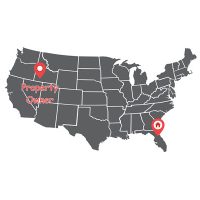
What happens when someone passes away in Ohio, but they owned a condo on the coast in Volusia County? It is a more common scenario than most people realize, and it catches a lot of families off guard. The short answer is that Florida law does not simply defer to whatever state handled the primary estate. If real property sits inside Florida’s borders, Florida’s courts generally need to get involved too, regardless of where the deceased person actually lived.
Why Can’t the Home State Just Handle Everything?
It seems like it should be simpler, doesn’t it? One person, one estate, one court. But property law is tied to geography. A court in another state has no authority to transfer title to land sitting in Florida. That is where a process called ancillary administration comes in. It exists specifically to let Florida courts oversee the transfer of Florida-based property, even while a separate probate proceeding moves forward in the decedent’s home state.
How Ancillary Administration Actually Works
Ancillary probate is not a full replica of the primary proceeding. It is a narrower process focused on the Florida assets alone. Generally, it involves:
- Filing a petition in the Florida county where the property is located
- Providing an authenticated copy of the will and the out-of-state probate proceedings, if one exists
- Having a personal representative appointed to handle the Florida property specifically
- Addressing any Florida-based creditor claims
- Distributing or transferring the property once obligations are settled
Under Florida Statutes Section 734.102, a personal representative named in the will may be entitled to ancillary letters if they qualify to act in Florida. If the will does not name anyone locally, or the decedent died without a will, Florida law lays out its own order of preference for who steps in.
What If the Property Was Owned Jointly, or There Was No Will at All?
Not every out-of-state property situation requires this full process. Jointly held property with rights of survivorship, for instance, may pass outside probate entirely. But when a Florida property was solely owned and there is no simplified path available, ancillary administration typically becomes necessary. Intestate estates (those without a valid will) follow Florida’s statutory order for appointing a representative, which can add its own layer of complexity for families already juggling proceedings in another state.
Ready to Sort Out a Florida Property Situation?
Handling property across two states during probate raises questions that are easy to get wrong on a first attempt. If your family is facing a Florida property tied up in someone else’s estate, our Daytona Beach probate attorneys at Bundza & Rodriguez, P.A. are here to talk through the situation and outline what the process could look like for your specific circumstances. We invite you to reach out and get a clearer picture of what comes next.
Source:
flsenate.gov/Laws/Statutes/2025/734.102
